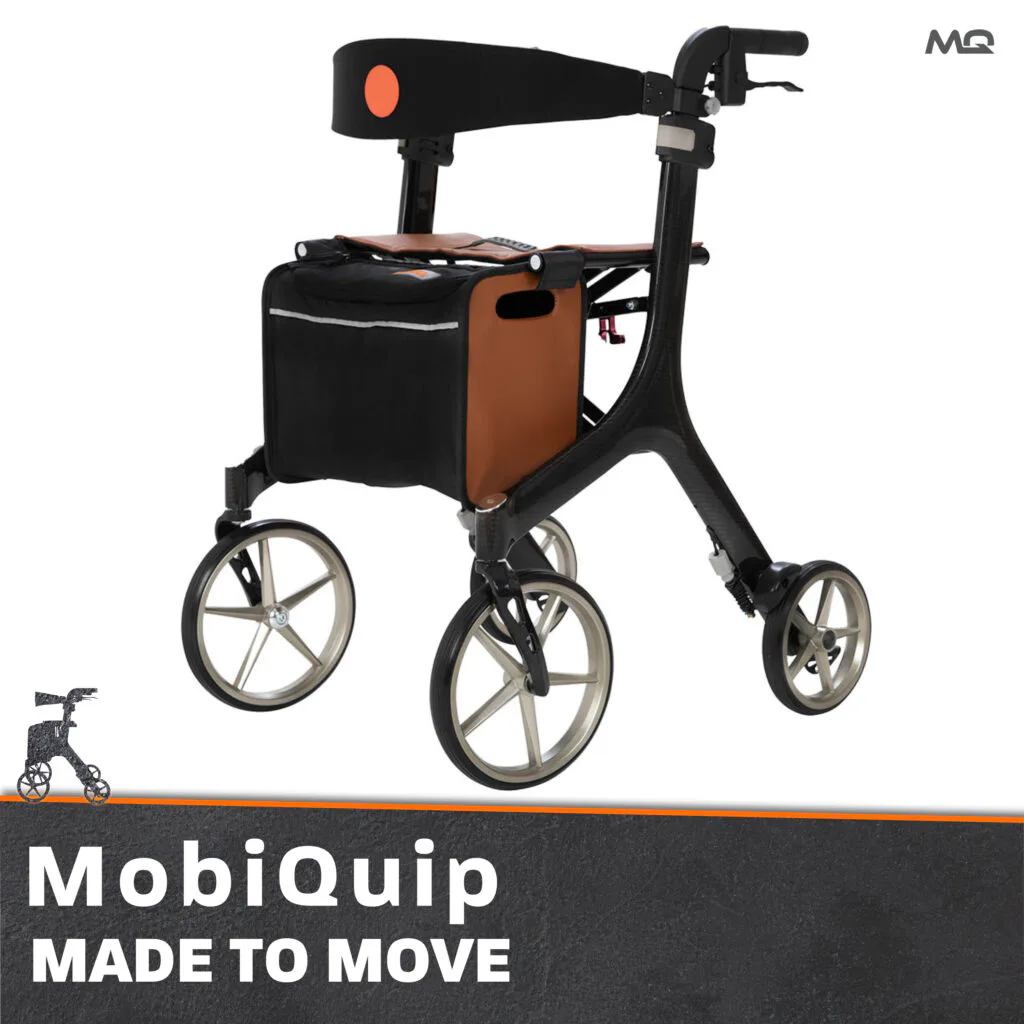



Choosing the right wheelchair size is one of the most important steps in ensuring comfort, safety and long-term usability. A chair that fits properly supports your posture, prevents pressure points and makes every journey feel easier. Yet many people are unsure how wheelchair measurements work or what they should focus on when selecting the right size.
This guide breaks everything down into simple steps. It explains how wheelchair seat width and depth influence comfort, how to measure correctly and what to consider when comparing different models. If you want a wheelchair that feels natural, supportive and easy to use, getting the sizing right is essential.
For a full look at the latest wheelchair models available, you can explore the Mobiquip wheelchair collection.
Why Wheelchair Sizing Matters
Wheelchair size affects almost every part of the user’s experience. A chair that is too narrow can cause discomfort or rubbing. A chair that is too wide may reduce stability and make it harder to push. Good sizing promotes healthy posture, supports your hips and legs and ensures long-term confidence when using your wheelchair.
Improper sizing can also lead to poor weight distribution, which increases fatigue. Over time, this can make daily use less enjoyable and may even limit how long you feel comfortable sitting.
A well-fitted wheelchair, however, becomes an extension of your body. It feels supportive without feeling restrictive and remains comfortable even during longer outings.
Understanding Seat Width
Seat width is the primary measurement when choosing a wheelchair. It determines how much room you have to sit and affects both comfort and stability.
How to measure correctly
To measure seat width, sit in a natural position with your hips relaxed. Measure across the widest point of your hips or thighs. Once you have the measurement, add a small amount to allow for comfortable movement.
Most people add between 2 cm and 4 cm to their hip measurement. This gives enough room for clothing without creating unnecessary space.
Why the correct width matters
A seat that is too narrow may cause pressure on the hips, while a seat that is too wide can make you slide or lean. Both issues can affect posture and long-term comfort.
Choosing the right width helps keep your body aligned and reduces the effort needed for self-propulsion or carer pushing.
Understanding Seat Depth
Seat depth is often overlooked, but it is just as important as seat width. It determines how much support your thighs receive.
How to measure seat depth
Sit with your back against a flat surface. Measure from the back of your hips to the crease behind your knees. From this measurement, subtract around 3 cm. This helps prevent the front edge of the seat from pressing into the back of your legs.
Why depth matters
Correct seat depth helps improve posture, supports the thighs and distributes body weight evenly. If the seat is too deep, the user may slouch. If the seat is too shallow, it can place pressure on the buttocks and reduce overall comfort.
A Simple Sizing Checklist
Use this quick checklist when choosing your wheelchair size:
1. Measure hip width
Sit naturally and measure across the widest part of the hips or thighs.
2. Add comfort allowance
Add between 2 cm and 4 cm for clothing and natural movement.
3. Measure seat depth
Measure from the back of the hips to the knee crease, then subtract around 3 cm.
4. Check posture
Sit in the chair and check that your back, hips and legs feel supported.
5. Consider long-term use
Think about how long you sit in the chair each day. Longer use may require extra support or cushions.
6. Review the wheelchair frame
Ensure the overall width and height suit doorways, flooring and your intended environments.
7. Ask questions if unsure
If you are comparing models, Mobiquip’s customer support and articles in the Mobiquip News section can help you understand product differences.
How Chair Size Affects Everyday Comfort
Choosing the right size does more than improve posture. It influences how easy it feels to move around, how far you can travel and how confident you feel when using your wheelchair. A well-fitted chair increases independence and ensures both the user and carer feel comfortable during daily routines.
Smaller adjustments, such as adding cushions or altering footrest height, can fine-tune your experience once you have chosen the correct base size. The right combination can make a big difference to long-term comfort.
Common Mistakes When Choosing Wheelchair Size
Guessing measurements
It is important to measure properly rather than estimating size. Even small differences can affect comfort.
Choosing a size that feels too roomy
Extra space may seem appealing, but too much room can cause posture problems and reduce stability.
Not thinking about the user’s environment
If the chair is too wide, it may not fit easily through narrow doorways or busy indoor spaces.
These mistakes are easy to avoid with a clear sizing plan.
When to Seek Expert Advice
If you are unsure about measurements or comparing different models, it is always worth speaking with a specialist. Wheelchair fittings can vary depending on the user’s body shape, mobility requirements and daily routine.
Mobiquip provides helpful guidance across their website, along with detailed product information and customer stories. If you would like to browse chair types before measuring, the Mobiquip wheelchair range is a good place to start.
Conclusion: Comfort Starts With the Right Fit
A wheelchair should feel comfortable, supportive and natural to sit in. Getting the seat width and depth right ensures the chair works with your body rather than against it. With a few simple measurements and the checklist above, you can choose a wheelchair that fits your needs and lifestyle.
To explore different models or stay updated with mobility advice and product news, visit the Mobiquip News hub or browse the full collection of wheelchairs available from Mobiquip.
The right fit improves comfort, confidence and everyday independence.