

For many people who rely on a rollator, getting outdoors is just as important as moving safely indoors. Fresh air, gentle exercise and time spent in parks or green spaces can all play a valuable role in everyday wellbeing. However, standard rollators designed mainly for smooth pavements and indoor floors can struggle once the surface becomes uneven.
This is where an all terrain rollator comes into its own.
In this guide, we explain what makes all-terrain rollators different, how bigger wheels help on parks and gravel paths, and how to decide whether this type of rollator is right for your needs. The aim is not to push you into a particular product, but to help you make an informed and confident choice.
If you’d like to browse the wider category first, you can view Mobiquip’s full range of walking support in the rollators and walkers collection.
What is an all-terrain rollator?
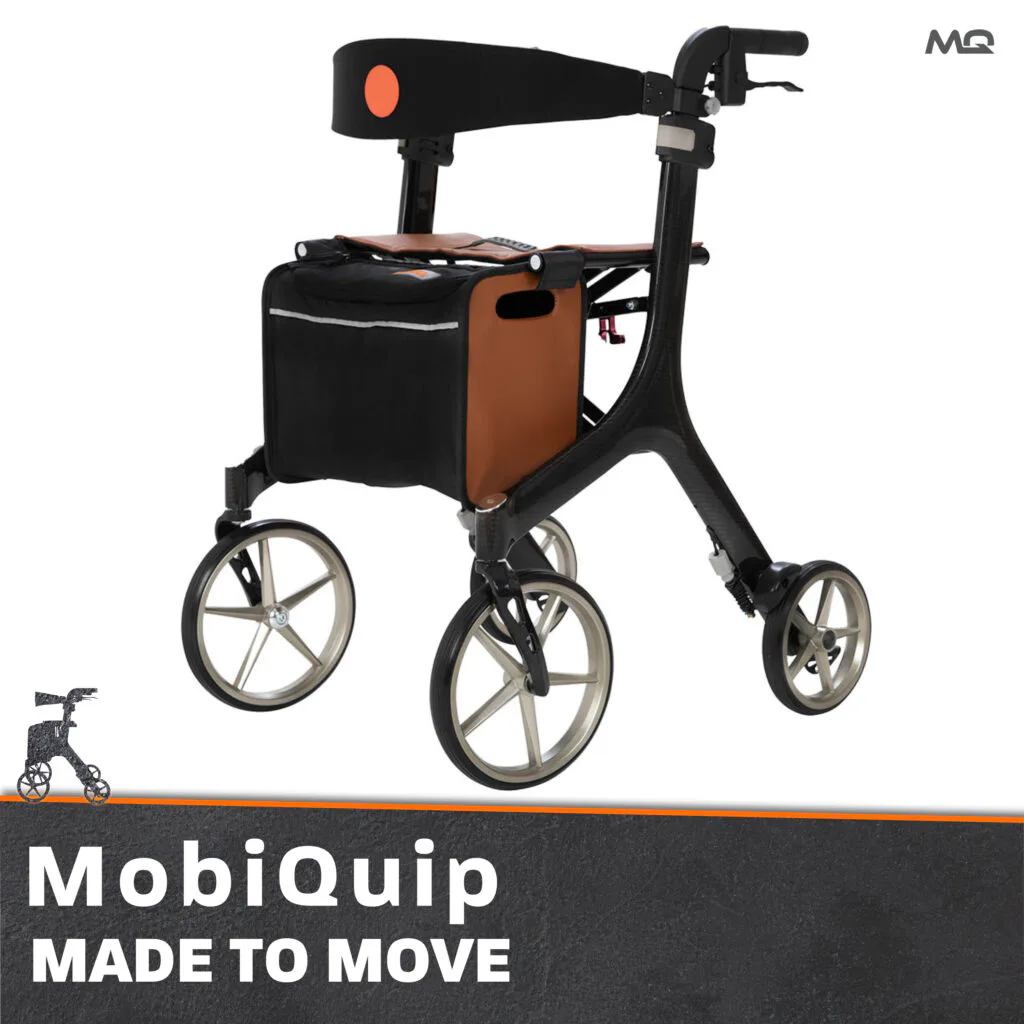
An all-terrain rollator is a four-wheeled walking aid designed specifically to cope with uneven outdoor surfaces. While it still provides balance support, braking and a seat for rest breaks, it is built with features that make outdoor walking more stable and predictable.
The main differences compared to a standard rollator are usually:
- Larger wheels, often air-filled or with deeper tread
- A wider wheelbase for improved stability
- Stronger frames designed to handle outdoor use
- Better shock absorption when moving over rough ground
These features help reduce jolting and resistance when walking on surfaces such as gravel paths, compacted earth, grass or park trails.
If you’re looking for an example of this type of design, Mobiquip’s All Terrain Rollator is built specifically with mixed outdoor surfaces in mind.
Why bigger wheels matter outdoors
The defining feature of an all-terrain rollator is its wheel size. Bigger wheels are not just a styling choice. They directly affect how the rollator behaves on different surfaces, particularly when the ground is uneven or loose.
Easier movement over uneven ground
Small wheels can catch or sink into loose gravel, cracks, ruts or small dips in the ground. Larger wheels are better at rolling over these obstacles, reducing the effort needed to keep moving forward.
This can make a noticeable difference on:
- Gravel or stone paths
- Woodland trails
- Uneven pavements
- Park routes with tree roots or worn patches
Improved stability and confidence
Larger wheels tend to increase ground clearance, meaning the frame is less likely to scrape or tip when the surface changes. This can help you feel more confident, especially if your walking route is not perfectly smooth.
Confidence matters. If you feel unsure about how a rollator will behave outdoors, it’s understandable to avoid certain places or shorten your walk. A properly built all-terrain rollator is designed to reduce that hesitation.
Reduced vibration and strain
Outdoor surfaces often send vibration through the frame and handles. Over time, that can feel uncomfortable, particularly for people with arthritis, sensitive joints or reduced grip strength. Bigger wheels, especially air-filled ones, can absorb more of the bumps and give a steadier, smoother feel.
Where all-terrain rollators are most useful
All-terrain rollators are designed with outdoor walking in mind, but they’re not limited to one specific environment. They are often a good choice if you regularly walk in places such as:
- Local parks and nature reserves
- Gravel footpaths or canal towpaths
- Rural pavements and village paths
- Large outdoor spaces such as gardens or estates
They can also be helpful if you live somewhere that has uneven pavements, dropped kerbs, older paving stones, or patchy surfaces after weather changes.
A practical point to bear in mind is that all-terrain designs can be slightly wider or bulkier than indoor-focused rollators. That is not always a problem, but it is worth considering if you want a rollator that needs to be used frequently indoors too.
How all-terrain rollators compare to standard rollators
Understanding the difference between a standard rollator and an all-terrain model can help you choose the one that fits your day-to-day life, rather than trying to make the “wrong” one work in the wrong setting.
Standard rollators
Standard rollators are typically designed for:
- Indoor use
- Smooth pavements
- Shopping centres and short outdoor trips
They are often lighter and easier to manoeuvre in tight spaces. However, if you regularly use gravel paths, rough pavements or uneven ground, they may feel less stable or require more effort to push.
Mobiquip’s broader walking aids range includes options that suit everyday use, including lighter rollators for smooth routes.
All-terrain rollators
All-terrain rollators are usually better suited to:
- Regular outdoor walking
- Rough or uneven surfaces
- Longer distances where comfort matters
They may be slightly heavier, but the trade-off is often improved grip, stability and a smoother feel on challenging ground.
If your main goal is to stay confident outdoors, an all-terrain option such as the All Terrain Rollator can make outdoor routes feel more manageable.
Key features to look for in an all-terrain rollator
Not all all-terrain rollators are built the same way. When comparing models, it often helps to focus on a few key features rather than getting drawn into product names.
Wheel type and size
Wheel size is usually the first detail to check. Larger wheels typically cope better with rough surfaces.
You may also see:
- Air-filled tyres (often a smoother ride, more shock absorption)
- Solid tyres (usually less maintenance, but may feel firmer over bumps)
Both can work well. The best choice depends on your routes and what feels comfortable.
Braking system
Reliable brakes are essential, especially outdoors where slopes or uneven ground can make stopping feel less predictable. Look for rollators with:
- Easy-to-use hand brakes
- A parking brake function for resting or sitting
If you have reduced hand strength, it’s worth prioritising brakes that feel controlled without needing a strong squeeze.
Seat and backrest
Many all-terrain rollators include a built-in seat, which can be genuinely helpful on longer walks. A supportive backrest can add comfort and reassurance during rest breaks.
If you expect to stop frequently, seating can turn a “hard work” walk into something you can enjoy at your own pace.
Foldability and transport
Some outdoor rollators are bulkier than standard models. If you plan to transport your rollator in a car, consider:
- How easily it folds
- Whether it fits in your boot
- The overall weight when lifting
If portability is a priority, browsing a wider range of models within the walkers category can help you compare what feels realistic for everyday handling.
Who should consider an all-terrain rollator?
An all-terrain rollator may be a good option if:
- You enjoy getting outdoors and want to continue doing so safely
- Your regular routes include gravel, park paths or uneven pavements
- A standard rollator feels uncomfortable or unstable outside
- You want more confidence when walking longer distances
They are also commonly chosen by family members or carers who want to support someone’s independence without making outings feel stressful or limiting.
On the other hand, if most of your walking is indoors, or you need something especially compact for tight spaces, a standard rollator may still be a better fit overall.
Alternatives if walking longer distances is becoming difficult
For some people, a rollator may not provide enough support outdoors, even with larger wheels. If walking for longer periods is tiring, painful, or feels unpredictable, it may be worth exploring other mobility options.
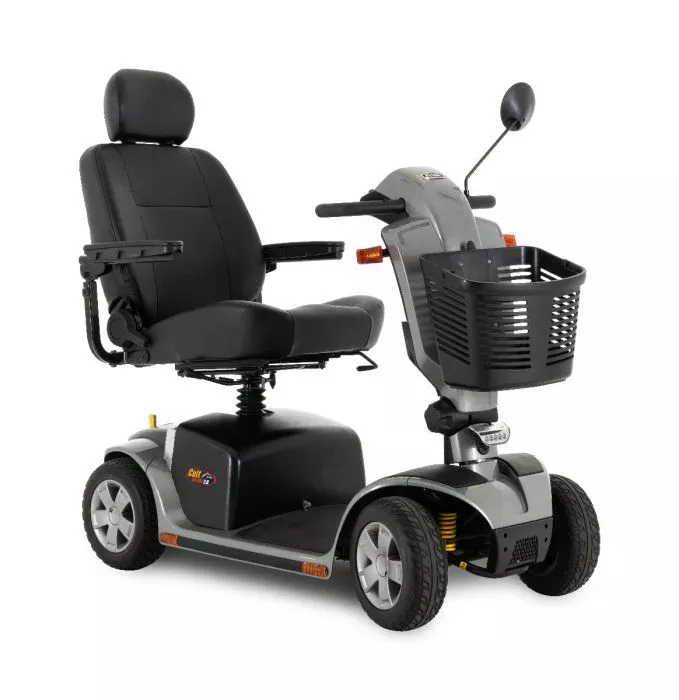
Mobility scooters for longer outdoor journeys
Mobility scooters are designed to reduce walking fatigue and can be a practical choice for longer distances outdoors.
You can browse Mobiquip’s mobility scooter options, including more compact models designed to fit into day-to-day routines.
If you need something that’s easier to transport, Mobiquip’s travel scooters range can be a useful place to compare foldable or boot-friendly designs.
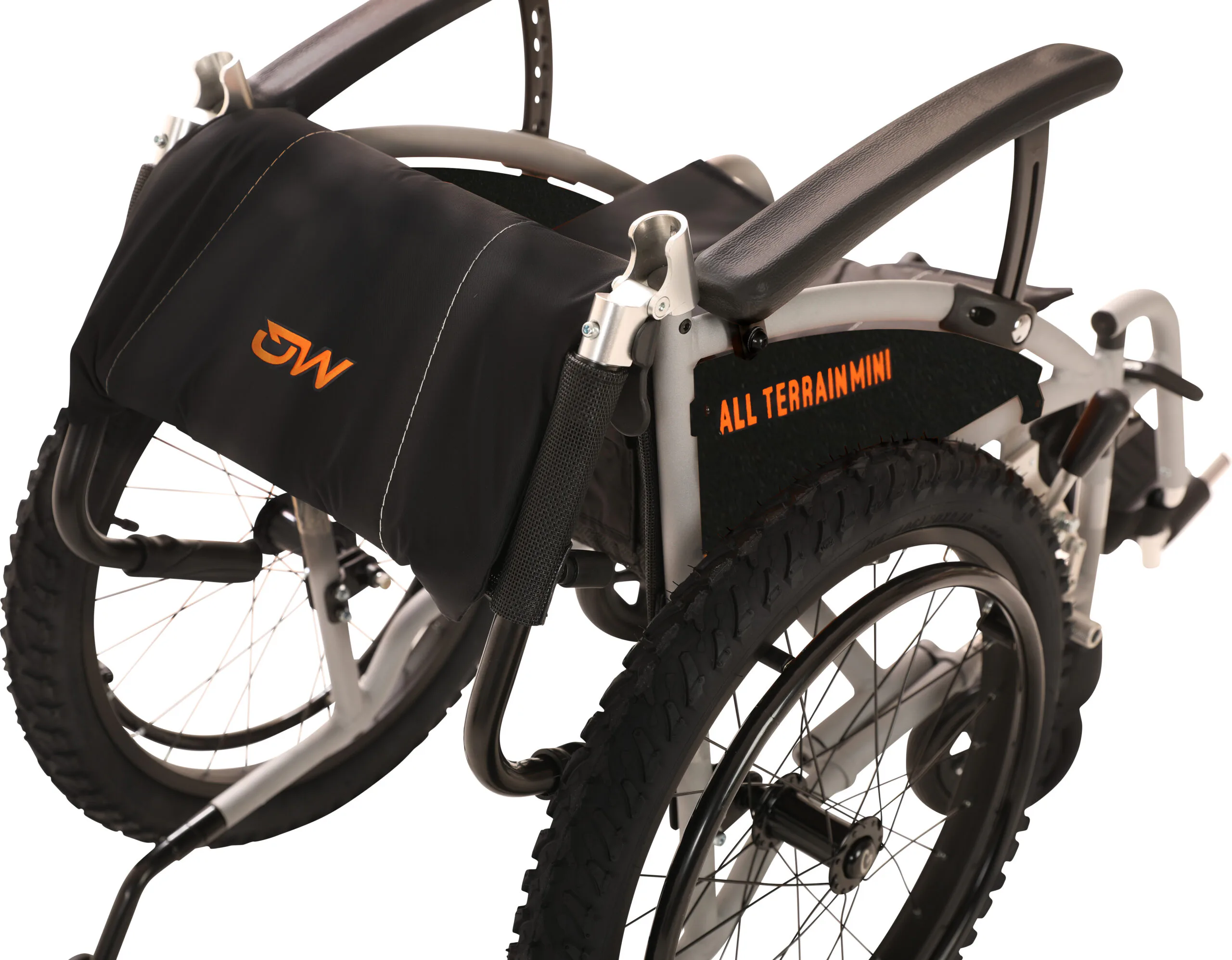
Wheelchairs for supported mobility
A wheelchair may be appropriate when you need consistent support, particularly if walking longer distances is not currently realistic. Mobiquip’s wheelchairs collection includes a range of options for different needs and routines.
(As always, the right choice depends on your individual mobility needs and where you want to use the equipment most often.)
Practical tips for using an all-terrain rollator outdoors
Once you’ve chosen a suitable rollator, a few simple habits can help you feel more comfortable and steady outdoors.
- If your rollator has air-filled tyres, check tyre pressure regularly
- Adjust the handle height so you can walk upright without hunching
- Use the parking brakes when stopped, especially on slopes
- Plan rest points and take breaks when needed, using the seat if available
Small steps like these can make outdoor walks feel more controlled and less tiring.
Accessories that can make outdoor use easier
A few well-chosen accessories can make outdoor trips more convenient, particularly in changeable UK weather.
Depending on your rollator model, you may find it helpful to consider:
- Storage bags for essentials
- Walking stick or crutch holders
- Weather-related extras such as covers (where compatible)
Mobiquip’s accessories section is a useful place to browse practical add-ons, especially if you’re trying to keep everything you need within easy reach.
Frequently asked questions about all-terrain rollators
Are all-terrain rollators suitable for indoor use?
Often, yes, but they can feel wider and less nimble in narrow hallways or small rooms. If indoor use is frequent, check the overall width and how easily it turns.
Can an all-terrain rollator be used on grass?
Generally, larger wheels cope better with grass than standard rollators, particularly if the ground is firm and dry. Very soft or muddy ground may still be difficult.
Do all-terrain rollators need more maintenance?
Models with air-filled tyres may need occasional pressure checks. Otherwise, maintenance is similar to standard rollators, such as checking brakes and fastenings.
Are all-terrain rollators heavier?
They can be slightly heavier due to larger wheels and sturdier frames. Many people feel the added stability is worth the trade-off, especially for outdoor routes.
Choosing the right rollator for your lifestyle
Choosing a mobility aid is a personal decision, and the “right” option is the one that suits your daily life. An all terrain rollator can be a reassuring choice if you want to stay active outdoors and feel more confident on gravel paths, parks and mixed surfaces.
If you are still deciding, it can help to compare options side by side, including everyday rollators and outdoor-focused models. You can start by exploring Mobiquip’s walkers and rollators range or go directly to the All Terrain Rollator if you know outdoor performance is your priority.
For anyone who needs a different approach to longer distances, it may also be worth looking at mobility scooters or wheelchairs to understand the practical differences.
The goal is simple: to support your independence in a way that feels safe, steady and manageable, whether you are heading out for a short park walk or navigating everyday errands.