

There is a reason people spend longer than expected choosing NHS mobility equipment. It is not only about price or brand. It is about fit, routine, confidence and how a product behaves once the shiny product page is forgotten.
That is exactly why this guide is built around everyday use rather than vague feature lists. Whether you are comparing products for yourself, a parent, a child or a partner, the right answer usually comes from honest practical questions first and product names second.
The real buying decision behind the search
When someone types NHS mobility equipment into Google, they are often trying to solve a bigger issue. Maybe they want to reduce fatigue. Maybe they need something easier to transport. Maybe they are trying to create a bit more independence without introducing more hassle. Searches around NHS wheelchair, disability equipment NHS and mobility aids free usually come from the same place.
The point is this. Very few people are just shopping for equipment. They are shopping for ease. For confidence. For a smoother day.
A quick story that sums it up
I have seen people buy a low-cost aid online only to discover it was the wrong height entirely. That sort of problem is easy to avoid if measurements come first.
That is why good buying advice should feel grounded. Not clinical. Not padded out. Just useful.
The practical side most guides miss
People often expect the hardest part to be comparing brands. It usually is not. The harder part is narrowing down what actually matters most in ordinary life. A product can look brilliant in a showroom or on a category page and still be wrong for the person using it.
Matching the aid to the home
The best NHS mobility equipment option often depends as much on the home as on the user. Flooring, room width, furniture layout and transfer points all shape what feels helpful.
Confidence and daily repetition
A product used many times a day needs to feel intuitive. If it feels awkward, people often stop trusting it or simply stop using it properly.
Simple checks that matter
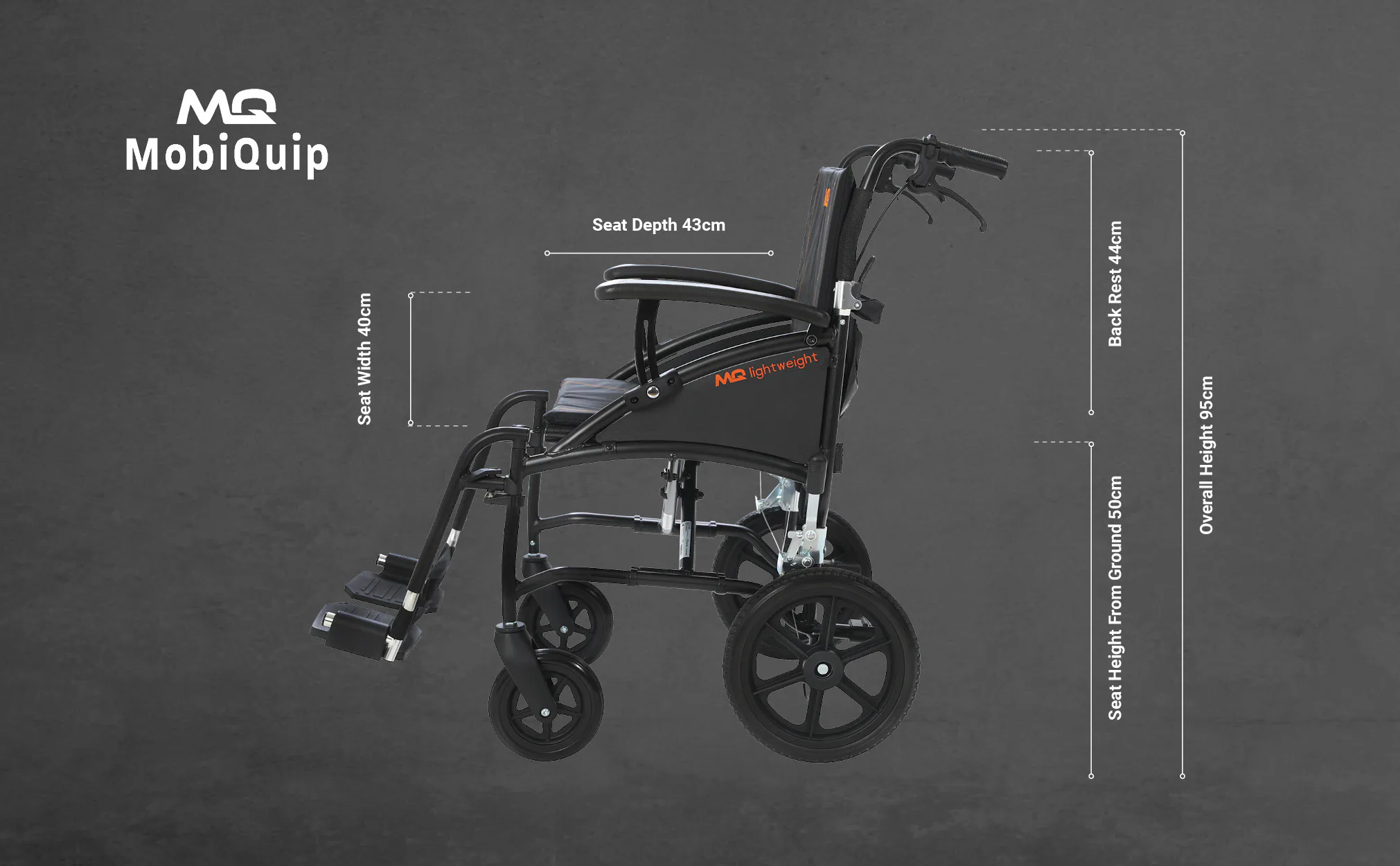
Measurements, grip comfort, surface compatibility and adjustability are easy to overlook. They are also the checks that prevent simple buying mistakes.
Mistakes worth avoiding
Buying by headline feature
A lot of people anchor to one detail. Weight. Price. Range. Brand. Recline. Foldability. That is understandable, but rarely enough. The best decisions come from looking at the whole routine rather than one selling point.
Choosing for an imagined future
Planning ahead is sensible. Over-planning can backfire. Buying something much larger, heavier or more complex than needed today sometimes makes everyday use harder instead of easier.
Ignoring the boring questions
Can you get spare parts. Is there decent support. Does it fit the hallway. Can the main user or carer actually manage it. These are not glamorous questions, but they often matter most.
Expert Insights
One tip professionals tend to learn quite quickly is this:
Before buying bedroom or bathroom aids, think about how they interact with existing furniture and fittings. Compatibility is half the battle.
It is not especially flashy advice, but it can save a lot of frustration after purchase.
How to make the final decision with more confidence
A good rule is to think through a completely ordinary week.
Where will the product go on Monday morning?
Who will use it on a school run, a shopping trip, a medical appointment or a walk to the car?
What part of that routine is most likely to become annoying if the wrong option is chosen?
That exercise sounds simple, but it cuts through a lot of noise.
If possible, write down the non-negotiables first. That might be weight, width, posture support, outdoor ability, boot fit or turning space. Then compare products against that shortlist rather than against whatever happens to rank first online.
Final thoughts
The best mobility equipment rarely feels dramatic. It just fits into life properly. It makes movement easier, routines calmer and decision-making less tiring. That is the goal.
If you are weighing up NHS mobility equipment options now, try not to get distracted by surface-level comparisons. Focus on fit, feel, daily routine and the realities of where the product will actually be used. That is usually where the best answer lives.
If you would like to browse our full range or need help choosing, feel free to get in touch with the team. You can also check our help and advice videos or read our FAQs.
FAQs
What mobility aids help most at home?
That depends on the person and the layout, but common helpful items include walking aids, bed rails, grab points and seating support.
Can I get help through the NHS?
Sometimes, yes, depending on need and local provision. It is worth checking assessment routes in your area.
Should I buy basic aids online?
You can, but measurements, return flexibility and choosing the correct height or fit matter more than many people realise.