

Choosing a special needs pushchair is an important decision for families and carers supporting a child who needs additional postural support, comfort or safety when travelling. Unlike standard pushchairs, special needs models are designed to accommodate a wider range of physical, sensory and developmental needs, often over a longer period of time.
Alongside selecting the right size and features, many families in the UK also need to understand what funding or financial support routes may be available. This can feel complex, particularly if you are navigating assessments, paperwork or tight timelines.
This guide explains what special needs pushchairs are, how sizing works, and the main UK funding routes families commonly explore. The aim is to provide clear, practical information to support informed decision-making, without pressure or assumptions.
What is a special needs pushchair?
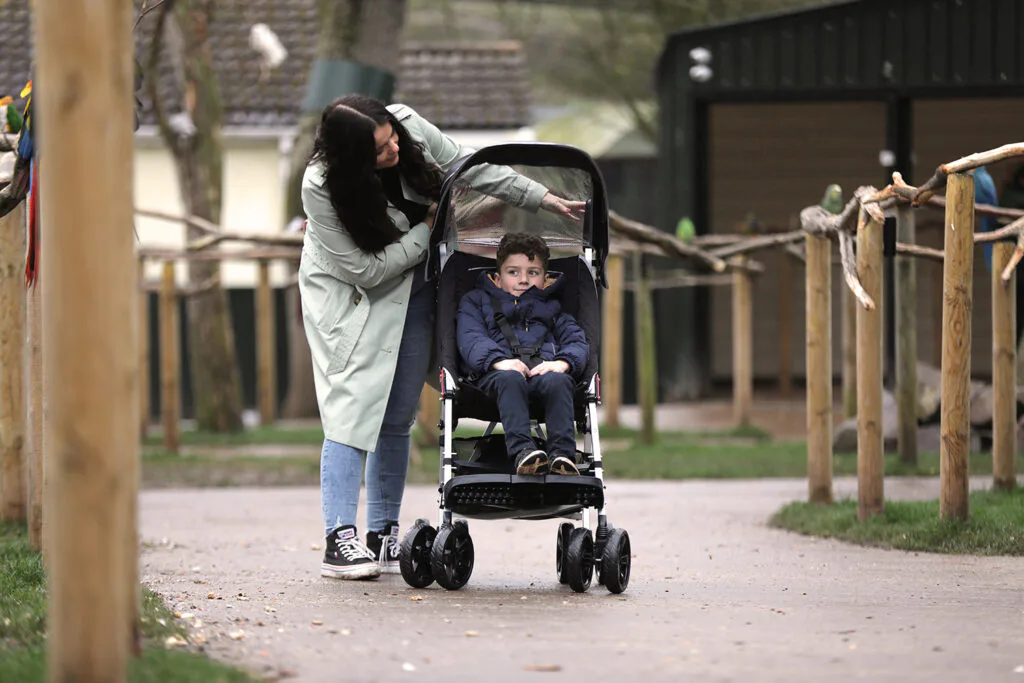
A special needs pushchair is designed for children who require more support than a standard pushchair can provide. These pushchairs are commonly used by children who have physical disabilities, developmental delays, neurological conditions, or other needs that affect posture, balance or endurance.
They are typically designed to offer:
- Improved postural support
- Secure seating and harnessing
- Adjustable seating positions
- Greater durability for long-term use
Unlike everyday pushchairs, special needs pushchairs are often used beyond early childhood and are built to accommodate growth and changing needs.
Mobiquip supplies specialist mobility equipment for families across the UK, including disability pushchairs designed to support everyday travel and routines.
When a special needs pushchair may be appropriate
A special needs pushchair may be suitable if a child:
- Needs additional trunk, head or pelvic support
- Tires easily when walking longer distances
- Is not safely supported in a standard pushchair
- Requires a more secure harnessing system
- Needs seating support beyond typical pushchair age ranges
These pushchairs are often used for school travel, appointments, family outings and daily activities where comfort and safety are important.
Using a special needs pushchair is not about restricting independence. For many children, it enables greater participation by reducing fatigue and discomfort during everyday life.
Understanding sizing basics for special needs pushchairs
Correct sizing is one of the most important factors when choosing a special needs pushchair. A pushchair that does not fit well may be uncomfortable and may not provide the intended support.
Why sizing matters
Correct sizing helps support:
- Comfortable posture
- Even weight distribution
- Reduced pressure points
- Safe and secure seating
Because children grow, many special needs pushchairs include adjustable features. However, there are still limits to how much adjustment a frame can offer, so choosing the right base size is essential.
Key measurements to consider
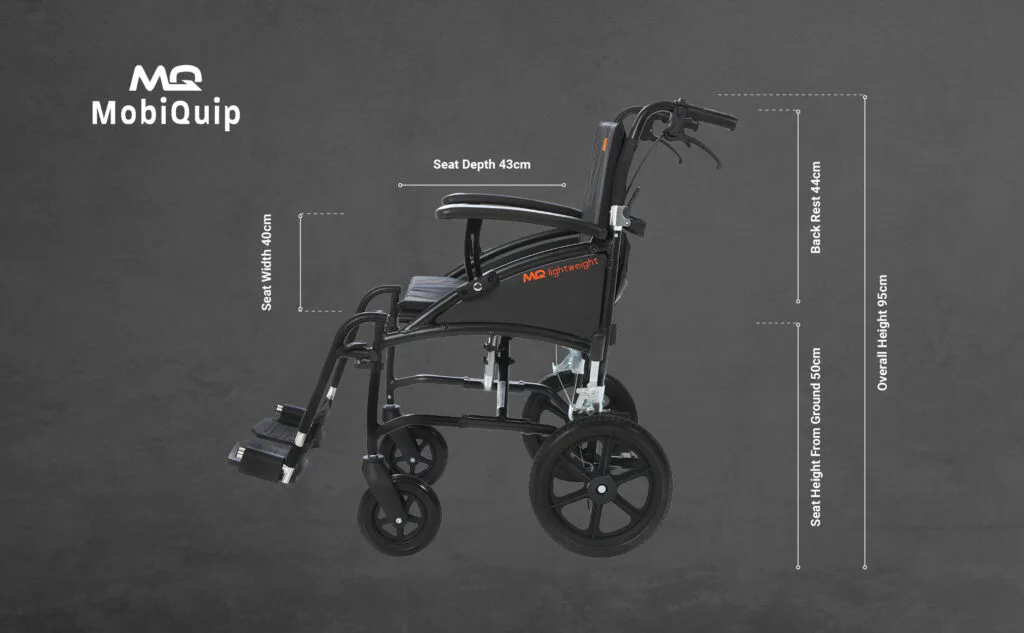
Sizing for a special needs pushchair is usually based on the child’s seated measurements rather than age.
Seat width
Seat width should allow enough room for comfort without being excessively wide. A seat that is too narrow may cause pressure, while one that is too wide can reduce postural stability.
As a general guide, there should be a small amount of space either side of the hips, allowing for clothing while maintaining support.
Seat depth
Seat depth is measured from the back of the seat to the back of the knees. Correct depth supports the thighs without pressing behind the knees, which can affect circulation and comfort.
Some special needs pushchairs offer adjustable seat depth to allow for growth.
Backrest height
Backrest height affects how much trunk and upper body support is provided. Children who need more postural support may benefit from a higher backrest, particularly if additional supports are used.
Choosing a backrest height that allows room for growth can help extend the usable life of the pushchair.
User weight limit
Each pushchair has a maximum user weight. This is particularly important for older children or long-term use and should always be checked before purchasing.
Growth and adjustability
Many families look for a special needs pushchair that can adapt as their child grows. Adjustable features may include:
- Extendable seat depth
- Adjustable backrest height
- Repositionable harness points
While adjustability is helpful, a pushchair should still fit well at the point of use. A model that is significantly oversized may not provide appropriate support initially.
Common UK funding routes for special needs pushchairs
Funding is often a major consideration. While eligibility and availability vary, there are several routes families commonly explore in the UK.
It’s important to note that funding decisions are made by external organisations, not retailers, and processes can vary by area.
NHS wheelchair and seating services
Some children may be assessed by NHS wheelchair or seating services, usually following referral from a healthcare professional.
Things to be aware of:
- Provision varies by local NHS service
- Not all children will qualify for a special needs pushchair
- Waiting times can apply
- Equipment provided may be limited in choice
Assessments are typically carried out by occupational therapists or physiotherapists.
Local authority and social care support
Local authorities may provide support through children’s services where a child has assessed needs.
This may include:
- Children with disabilities teams
- Personal budgets or direct payments
- Support linked to care assessments
Accessing this support usually involves formal assessments and ongoing reviews.
Charitable grants and trusts
Many families apply to UK charities and trusts for financial support towards specialist equipment.
Grant availability often depends on:
- Household income
- The child’s needs
- Supporting professional documentation
Charitable funding can be valuable, but it is not guaranteed and may take time to secure.
Education-related support
In some cases, equipment may be supported through educational provision, particularly where it is required for access to education.
This may be linked to:
- Education, Health and Care Plans (EHCPs)
- Specialist school provision
- Transport or accessibility requirements
Support varies depending on local policies and individual circumstances.
Private purchase and flexibility
Where funding routes are unavailable or delayed, some families choose to purchase a special needs pushchair privately.
Private purchase can offer:
- Faster access to equipment
- Greater choice of models
- Flexibility to meet individual preferences
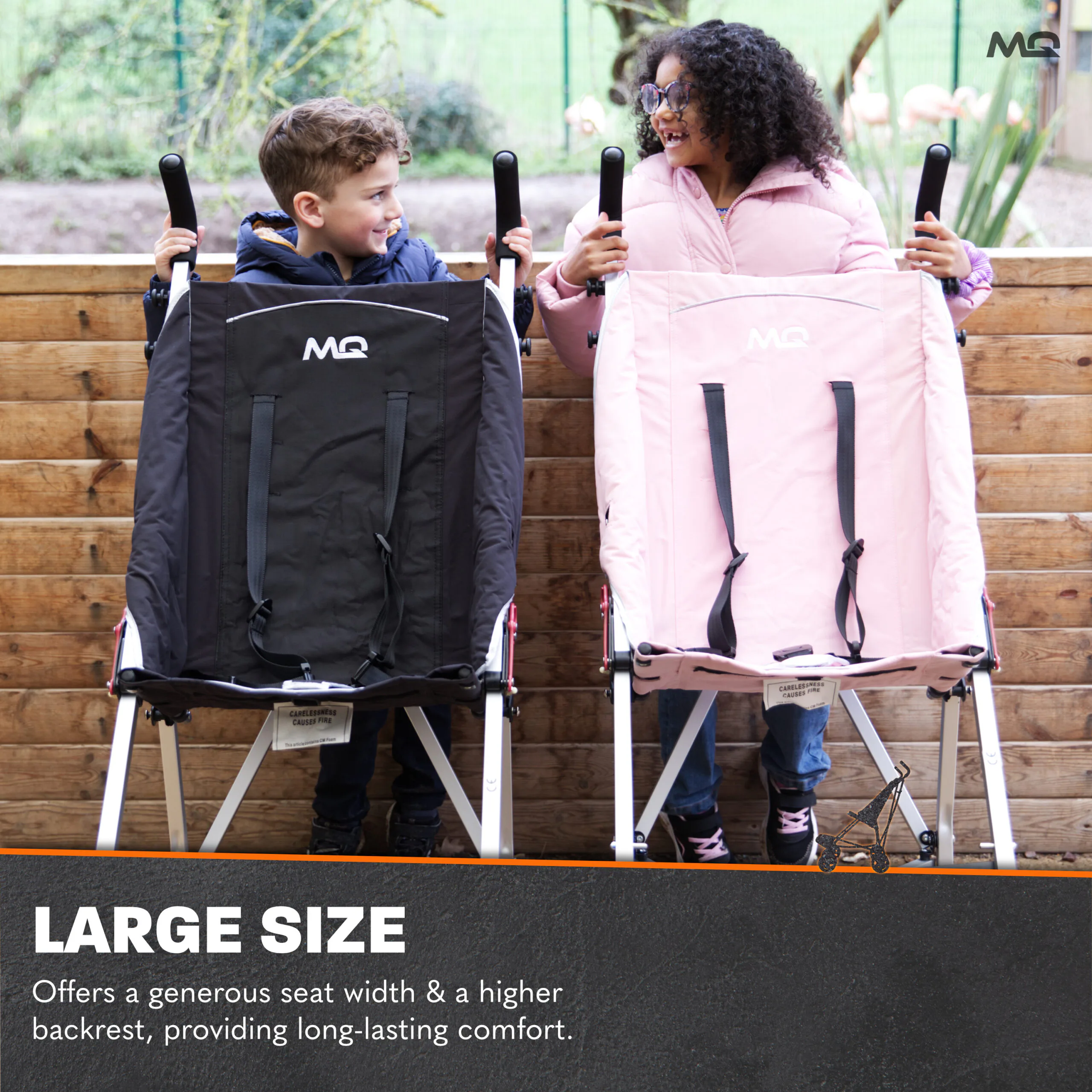
Mobiquip operates as a UK-based online retailer supplying specialist mobility equipment nationwide. Families can explore discover options which are designed to support everyday use. The Mobiquip XL Pushchair, offers a higher capacity option for older or larger children.
Practical considerations beyond sizing
Transport and storage
It is important to consider how the pushchair fits into daily routines. Factors may include:
- Whether the pushchair folds
- Car boot space
- Overall weight when lifting
Terrain and use
Some pushchairs are better suited to smooth pavements, while others cope better with uneven paths. Thinking about where the pushchair will be used most often can help guide selection.
Accessories and additional supports
Some children may benefit from compatible accessories that enhance comfort or positioning, such as:
- Head supports
- Lateral supports
- Foot supports
Accessories should always be compatible with the pushchair and fitted according to manufacturer guidance.
Mobiquip offers a range of practical mobility-related items in its accessories section where appropriate.
When needs change
Children’s needs can change over time. Regularly reviewing whether a pushchair still fits well and provides suitable support is important, particularly during growth spurts or changes in routine.
This may involve adjusting the pushchair or seeking professional reassessment where needed.
Frequently asked questions
How long can a child use a special needs pushchair?
This depends on the pushchair’s size range, weight limit and the child’s individual needs.
Are special needs pushchairs only for younger children?
No. Many models are designed for use beyond standard pushchair ages and are suitable for older children.
Is professional input required?
Professional input is not always required for private purchase, but it can be helpful for sizing and support decisions.
Making an informed choice
Choosing a special needs pushchair involves balancing support, comfort, practicality and long-term suitability. Understanding sizing basics and funding routes can help reduce uncertainty and support confident decision-making.
Whether exploring funding options or considering private purchase, taking time to assess your child’s needs and daily routines is key. With the right information and support, a special needs pushchair can play an important role in enabling safe, comfortable and inclusive everyday travel.