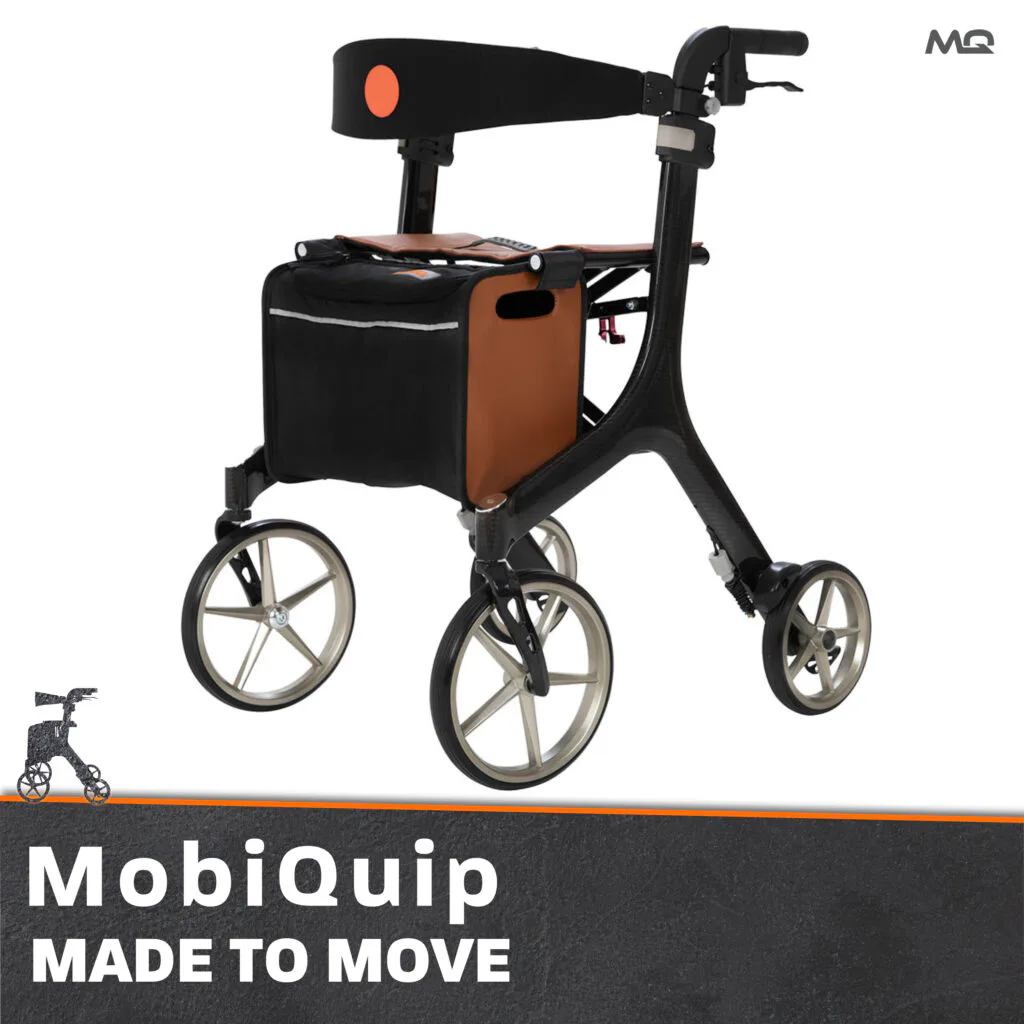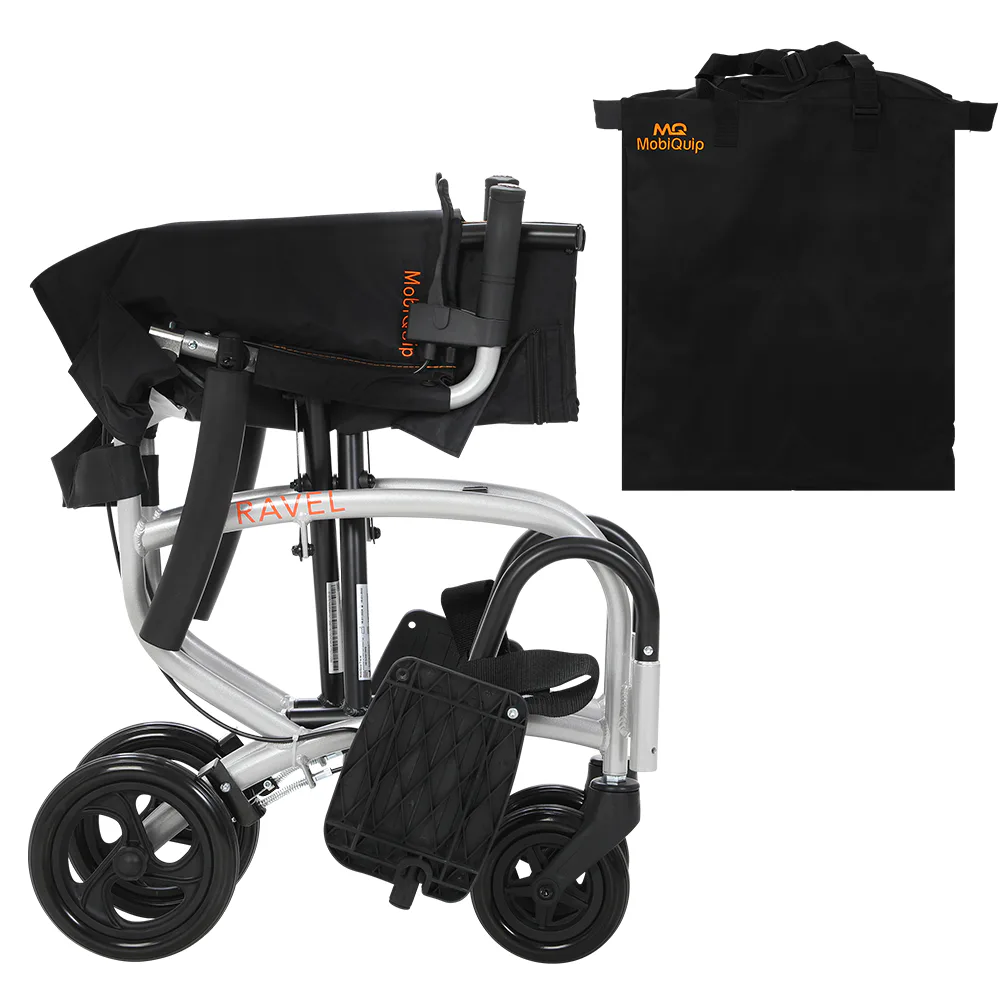


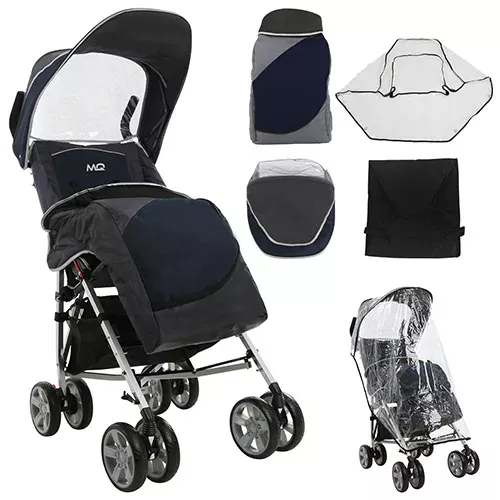
An all-terrain special needs buggy is designed to support children who need additional seating and postural support while also allowing families to spend time outdoors with greater confidence. Compared to standard special needs buggies, all-terrain models are built to cope better with uneven surfaces such as gravel paths, parks, country pavements and rougher ground.
Choosing the right buggy involves more than just appearance or age range. Wheel design, suspension and overall fit all play an important role in comfort, safety and day-to-day usability. This guide explains these key elements in plain English, helping families and carers understand what really matters when selecting an all-terrain special needs buggy.
What is an all-terrain special needs buggy?
A special needs buggy is a pushchair-style mobility aid designed for children who require more support than a standard buggy can provide. An all-terrain version builds on this by incorporating features that make outdoor use more comfortable and predictable.
These buggies are commonly used by children who:
-
Need additional postural or trunk support
-
Tire easily when walking longer distances
-
Are not safely supported in standard pushchairs
-
Still require buggy-style transport beyond typical toddler years
All-terrain special needs buggies are often used for family outings, school travel, medical appointments and everyday activities where outdoor surfaces are unavoidable.
Mobiquip supplies specialist mobility equipment for families across the UK, including disability pushchairs and buggies designed for everyday use.
Why wheels matter on an all-terrain special needs buggy
Wheels are one of the most important differences between standard and all-terrain special needs buggies. They directly affect how the buggy handles outdoors and how comfortable the ride feels for the child.
Larger wheels for uneven ground
All-terrain buggies typically use larger wheels than indoor or urban models. Larger wheels help the buggy roll more smoothly over:
-
Gravel and compacted stone paths
-
Uneven pavements
-
Park routes and country paths
-
Small kerbs and surface changes
Smaller wheels are more likely to catch or stop suddenly on rough ground, which can feel uncomfortable or unsettling for the child.
Front vs rear wheel design
Some all-terrain buggies use swivel front wheels, while others use fixed or lockable front wheels.
-
Swivel wheels improve manoeuvrability on smooth surfaces
-
Fixed or lockable wheels can improve stability on rough or uneven ground
Having the option to lock the front wheels can be helpful for longer outdoor walks.
Tyre type
All-terrain buggies may use air-filled or solid tyres.
-
Air-filled tyres offer better shock absorption and a smoother ride
-
Solid tyres require less maintenance but may feel firmer over rough ground
The choice often comes down to balancing comfort with ease of maintenance.
Understanding suspension and why it matters
Suspension is often overlooked, but it plays a significant role in how an all-terrain special needs buggy performs outdoors.
What suspension does
Suspension helps absorb shocks and vibrations as the buggy moves over uneven surfaces. Without suspension, bumps and jolts are transferred directly through the frame to the seating area.
For children who have:
-
Sensory sensitivities
-
Reduced muscle control
-
Difficulty maintaining posture
this extra movement can be uncomfortable or tiring.
Types of suspension
Suspension systems vary by model, but commonly include:
-
Spring-based suspension
-
Frame flex systems
-
Wheel-mounted shock absorption
You do not need to understand the mechanics in detail, but it is helpful to know whether a buggy includes suspension at all, especially if outdoor use is frequent.
Benefits for carers and parents
Suspension does not only benefit the child. It can also make pushing easier by reducing resistance and vibration through the handles, particularly on longer walks.
Fit and sizing for special needs buggies
Correct fit is just as important as wheel and suspension design. A buggy that does not fit well may not provide adequate support, regardless of how capable it is outdoors.
Why fit matters
Good fit helps support:
-
Comfortable posture
-
Even weight distribution
-
Secure positioning with harnesses
-
Reduced pressure points
Many special needs buggies are adjustable, but they still have size limits that need to be respected.
Key sizing measurements to consider
Seat width
Seat width should allow enough space for comfort while still providing lateral support. A seat that is too wide can reduce postural stability, while one that is too narrow may cause discomfort.
Seat depth
Seat depth supports the thighs and affects sitting comfort. Adjustable seat depth is helpful for growing children, but the starting depth should still be appropriate.
Backrest height
Backrest height influences trunk and upper body support. Children who need additional head or trunk support may benefit from higher backrests, especially when travelling outdoors.
User weight limit
Always check the maximum user weight. This is particularly important for older children and long-term use.
Growth and long-term use
Many families choose all-terrain special needs buggies because they are designed for longer-term use.
Adjustable features may include:
-
Extendable seat depth
-
Adjustable backrest height
-
Repositionable harness points
While adjustability is useful, it is important that the buggy fits well at the point of use. Oversizing in the hope of “growing into it” can compromise support.
Practical outdoor considerations
Terrain you use most often
Think about where the buggy will be used day to day:
-
Pavements and town centres
-
Parks and green spaces
-
Rural paths or uneven routes
The rougher the terrain, the more important wheel size and suspension become.
Transport and storage
All-terrain buggies are often larger and heavier than standard models. Consider:
-
Whether the buggy folds
-
Car boot space
-
Overall weight when lifting
Checking folded dimensions before purchase can help avoid surprises.
Examples of all-terrain capable options
Mobiquip offers specialist buggy options designed to support outdoor use and varying child needs. For example, the Pushchair 2 provides practical everyday support, while the Mobiquip XL Pushchair is designed to accommodate higher user weights and older children.
These examples illustrate how sizing, frame strength and wheel design vary between models.
Accessories and outdoor use
Some accessories can improve outdoor comfort or practicality, depending on the buggy and child’s needs.
Common examples include:
-
Supportive headrests
-
Additional harness padding
-
Weather protection
Accessories should always be compatible with the buggy model and fitted according to manufacturer guidance.
You can view general mobility-related accessories in Mobiquip’s accessories section, where appropriate.
When an all-terrain buggy may not be the right solution
While all-terrain special needs buggies suit many families, they are not always the best option.
If a child requires more complex seating or postural management, a wheelchair may be more appropriate. Mobiquip’s wheelchairs range provides an overview of alternative options.
If outdoor travel involves longer distances rather than walking support, some families also explore powered mobility options at a later stage.
Frequently asked questions
Are all-terrain special needs buggies suitable for everyday use?
Yes, many are designed for daily routines, including school travel and family outings, as long as they suit the child’s size and needs.
Do larger wheels make buggies harder to push?
Not necessarily. Larger wheels often roll more easily over uneven ground, which can actually reduce effort outdoors.
Is suspension essential?
Suspension is not essential for every child, but it can improve comfort and ride quality on rough surfaces.
Can these buggies be used indoors?
They can be used indoors, but their larger size may feel less manoeuvrable in tight spaces.
Making an informed choice
An all-terrain special needs buggy can play an important role in supporting outdoor inclusion, comfort and confidence for both children and carers. Understanding how wheels, suspension and fit work together helps ensure the buggy suits your child’s needs and your everyday environment.
Taking time to consider where the buggy will be used, how it fits your child now, and how it may adapt over time can help avoid compromise later. With the right balance of support and practicality, an all-terrain buggy can make outdoor routines more manageable and enjoyable for the whole family.