
Table of Contents
All Terrain Walker Accessories: Bags, Backrests & Cane Holders
All Terrain Walker Accessories: Bags, Backrests & Cane Holders
An all terrain walker is designed to offer steadier support on outdoor surfaces such as gravel paths, park routes and uneven pavements. Larger wheels and a more robust frame can make outdoor walking feel more predictable, but accessories often play an important supporting role in how comfortable and practical the walker is to use day to day.
Accessories are not essential for everyone, and not every accessory suits every walker. However, understanding what different accessories are designed to do can help you decide whether adding one might make outdoor walking easier, safer or more convenient.
In this guide, we explain some of the most common all terrain walker accessories, including bags, backrests and cane holders, and what to consider before using them.
What is an all terrain walker?
An all terrain walker is a type of rollator designed for outdoor use. Compared to indoor or everyday walking frames, these models usually feature:
- Larger wheels to cope with uneven ground
- Stronger frames for outdoor stability
- Hand brakes suited to outdoor routes
- A wider stance for balance
They are often chosen by people who enjoy spending time outdoors but want additional support when walking longer distances.
You can explore outdoor-capable designs within Mobiquip’s wider rollators and walking aids range.
Why accessories matter for outdoor use
Outdoor walking brings different practical challenges compared to moving around indoors. You may need to carry personal items, stop to rest, or manage walking aids such as sticks alongside your walker.
Accessories are designed to support these needs by:
- Improving comfort during longer walks
- Making it easier to carry everyday items
- Helping keep hands free and posture steady
The right accessory can quietly support confidence and independence, while the wrong one may feel awkward or unnecessary. This is why it’s important to understand how each option is intended to be used.
Walker bags for outdoor convenience
What walker bags are used for
Bags are one of the most common accessories used with an all terrain walker. They provide a simple way to carry personal items while keeping both hands on the walker handles.
Typical uses include carrying:
- Wallets, phones and keys
- Medication or small essentials
- A light jacket or shopping items
For outdoor walking, a bag helps avoid the need to carry items by hand or wear a shoulder bag, both of which can affect balance.
Things to consider with walker bags
Not all bags suit all walkers. When considering a bag for outdoor use, it helps to think about:
- Attachment method – secure fitting reduces movement while walking
- Weight capacity – overloading can affect stability
- Positioning – front or side placement can affect leg movement
It is also important to remember that adding weight to a walker changes how it feels to steer, especially on uneven ground.
Mobiquip offers a selection of mobility-related items in its accessories section, which can be a useful starting point when comparing practical add-ons.
Backrests for added comfort
What a backrest does
Many all terrain walkers include a built-in seat for rest breaks. A backrest is designed to provide support when sitting, helping you feel more secure and relaxed during stops.
For people who take regular breaks on longer outdoor walks, a backrest can make resting more comfortable and reassuring.
When a backrest may be helpful
A backrest may be worth considering if you:
- Take frequent seated breaks
- Feel less stable when sitting without back support
- Use your walker for longer outdoor outings
It can also provide peace of mind for carers or family members who want to ensure rest breaks feel secure.
Practical considerations
Backrests are usually lightweight, but they still add an extra component to the walker. Before using one, consider:
- Whether it affects folding or storage
- How easily it can be removed if not needed
- Whether it interferes with walking space
As with any accessory, compatibility with the specific walker model is important.
Cane holders for carrying a walking stick
Why cane holders are used
Some people use more than one walking aid depending on the situation. For example, you might prefer a walking stick for short indoor distances but rely on an all terrain walker outdoors.
A cane holder allows a walking stick to be carried securely on the walker frame when not in use, keeping hands free and posture balanced.
Who cane holders are useful for
Cane holders may be particularly helpful if you:
- Switch between a stick and a walker
- Want to keep a walking stick close by
- Prefer not to carry a stick by hand
They can be a practical solution for people who want flexibility without juggling equipment.
Points to keep in mind
When using a cane holder:
- Ensure the stick is firmly secured
- Check that it does not affect wheel movement
- Make sure it does not unbalance the walker
Correct positioning is important, especially on uneven outdoor surfaces.
Balancing accessories with stability
One of the most important considerations with any all terrain walker accessory is balance.
While accessories are designed to be helpful, adding too many items or carrying heavy loads can affect:
- Steering control
- Brake effectiveness
- Overall stability
For outdoor use, it is usually best to keep accessories minimal and practical, focusing only on what genuinely supports your routine.
Compatibility and fitting
Accessories are not universally compatible across all walkers. Frame shape, wheel size and folding mechanisms all affect whether an accessory fits correctly.
Before using any accessory, it is important to:
- Check manufacturer guidance
- Confirm compatibility with your walker model
- Ensure fittings are secure before use
If in doubt, using accessories designed specifically for mobility equipment can help reduce the risk of poor fit or instability.
When accessories may not be necessary
Not everyone benefits from walker accessories. Some people prefer to keep their all terrain walker as simple and lightweight as possible.
You may find accessories unnecessary if:
- You only walk short distances
- You do not carry items while walking
- You rarely use the seat
In these cases, keeping the walker uncluttered may feel more comfortable and easier to manage.
Alternatives for longer outdoor distances
If outdoor walking with a walker becomes tiring even with accessories, it may be worth considering other mobility options.
For example, a mobility scooter can reduce the need for walking longer distances. You can explore different options in Mobiquip’s mobility scooters range.
If walking support is no longer sufficient, a wheelchair may offer more consistent assistance. Mobiquip’s wheelchairs category provides an overview of suitable alternatives.
Choosing the right aid often depends on how far you travel and how much support you need.
Frequently asked questions about all terrain walker accessories
Do all all terrain walkers support accessories?
Not all walkers are compatible with all accessories. Compatibility depends on the frame design and manufacturer specifications.
Can accessories affect folding?
Some accessories may need to be removed before folding the walker. This varies by model and accessory type.
Are accessories necessary for safety?
Accessories are optional. They are designed to improve convenience and comfort, not to replace core safety features such as brakes.
Can accessories be added later?
In many cases, accessories can be added after purchase, provided they are compatible with the walker.
Choosing accessories that support your routine
Accessories for an all terrain walker are designed to support comfort, convenience and confidence during outdoor walking. Bags, backrests and cane holders each serve a specific purpose, but they are most effective when chosen thoughtfully and used appropriately.
Before adding any accessory, consider how you walk, where you go and what feels genuinely helpful. Keeping the focus on balance and ease of use helps ensure accessories enhance your walker rather than complicate it.
You can explore suitable walking aids within Mobiquip’s rollators and walking aids range and review compatible items in the accessories section where appropriate.
The goal is not to add more equipment, but to support outdoor walking in a way that feels steady, comfortable and manageable.
Related Posts
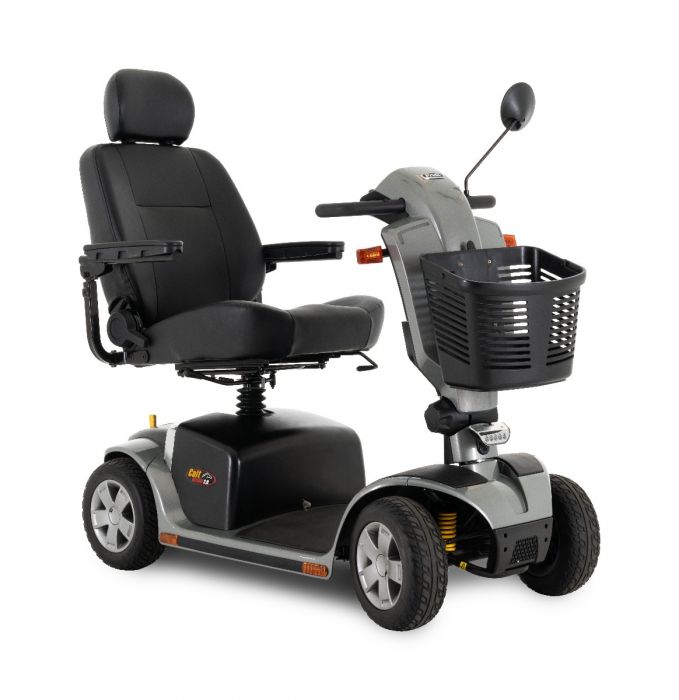
What Makes Pride Mobility a Market Leader?