

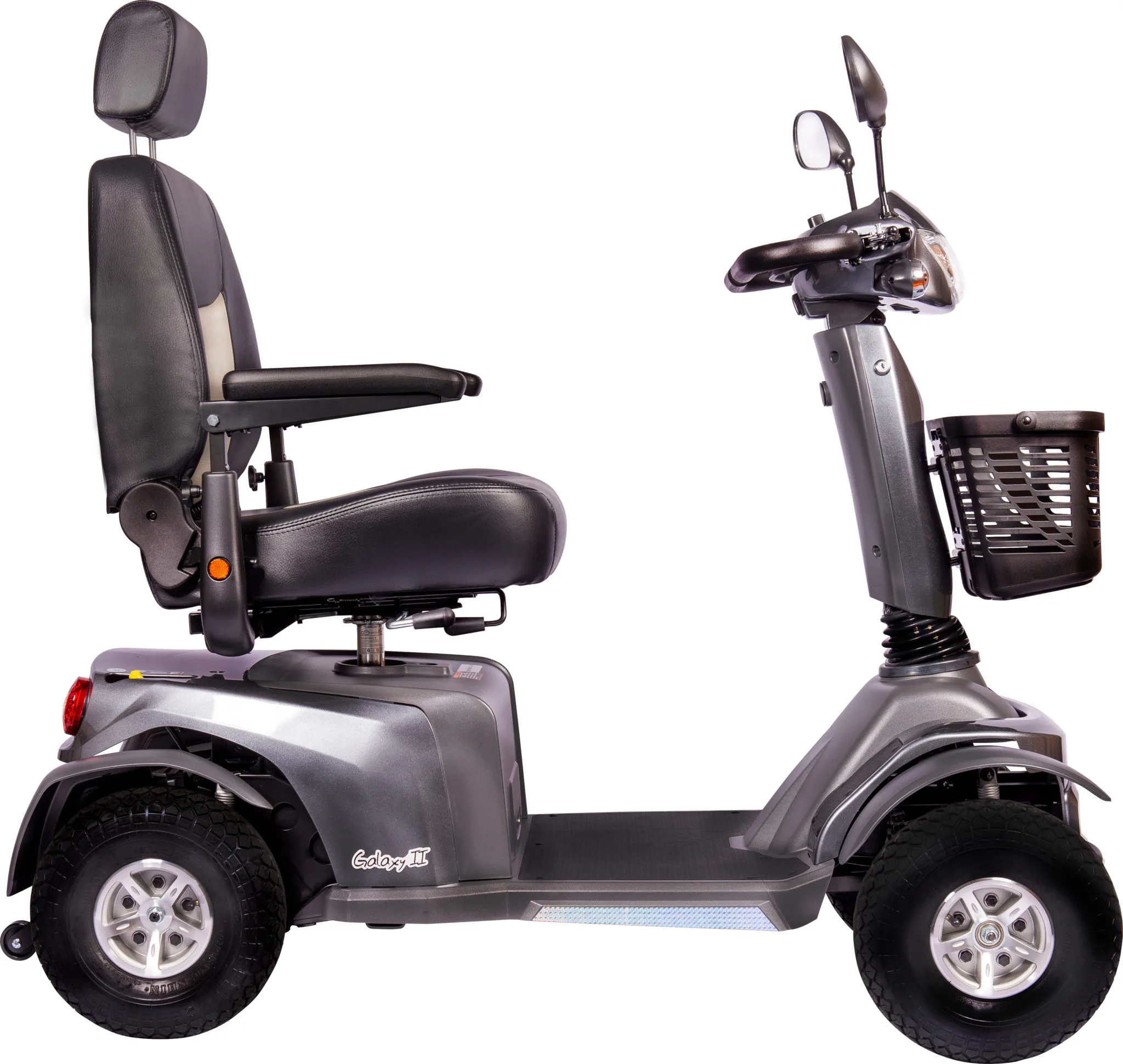
Searches for second hand mobility scooters usually come from a very practical place. Someone is trying to make daily life easier, safer or less tiring. That sounds simple enough, but the number of options on the market can make the decision feel heavier than it should.
That is exactly why this guide is built around everyday use rather than vague feature lists. Whether you are comparing products for yourself, a parent, a child or a partner, the right answer usually comes from honest practical questions first and product names second.
The real buying decision behind the search
When someone types second hand mobility scooters into Google, they are often trying to solve a bigger issue. Maybe they want to reduce fatigue. Maybe they need something easier to transport. Maybe they are trying to create a bit more independence without introducing more hassle. Searches around used mobility scooters, used mobility scooters near me and used mobility scooters near me usually come from the same place.
The point is this. Very few people are just shopping for equipment. They are shopping for ease. For confidence. For a smoother day.
A quick story that sums it up
I have also seen the opposite happen. Someone spent a little more on a scooter with better suspension and seat comfort, then used it far more often because it felt less tiring. Upfront price is not the whole story.
That is why good buying advice should feel grounded. Not clinical. Not padded out. Just useful.
Why people get stuck choosing
People often expect the hardest part to be comparing brands. It usually is not. The harder part is narrowing down what actually matters most in ordinary life. A product can look brilliant in a showroom or on a category page and still be wrong for the person using it.
Portability and storage
Many searches for second hand mobility scooters are really searches for something easier to live with. Can it fit in the car. Can it be stored neatly. Can it be dismantled without turning every trip into a chore. Those are the real questions.
Comfort on real journeys
A short sit in a showroom or quick glance at a product photo does not tell you much about comfort over a proper outing. Seat position, tiller reach, leg room and suspension all shape how enjoyable the scooter feels.
Battery claims versus reality
Battery claims can sound generous, but real conditions matter. Hills, cold weather, stops, starts and user weight all influence range. If used mobility scooters or travel use is on the table, it is wise to build in some margin rather than taking brochure numbers at face value.
Mistakes worth avoiding
Buying by headline feature
A lot of people anchor to one detail. Weight. Price. Range. Brand. Recline. Foldability. That is understandable, but rarely enough. The best decisions come from looking at the whole routine rather than one selling point.
Choosing for an imagined future
Planning ahead is sensible. Over-planning can backfire. Buying something much larger, heavier or more complex than needed today sometimes makes everyday use harder instead of easier.
Ignoring the boring questions
Can you get spare parts. Is there decent support. Does it fit the hallway. Can the main user or carer actually manage it. These are not glamorous questions, but they often matter most.
Expert Insights
One tip professionals tend to learn quite quickly is this:
If portability matters, ask which section is heaviest after dismantling. People often focus on the total weight and miss the part they actually have to lift.
It is not especially flashy advice, but it can save a lot of frustration after purchase.
How to make the final decision with more confidence
A good rule is to think through a completely ordinary week.
Where will the product go on Monday morning?
Who will use it on a school run, a shopping trip, a medical appointment or a walk to the car?
What part of that routine is most likely to become annoying if the wrong option is chosen?
That exercise sounds simple, but it cuts through a lot of noise.
If possible, write down the non-negotiables first. That might be weight, width, posture support, outdoor ability, boot fit or turning space. Then compare products against that shortlist rather than against whatever happens to rank first online.
Final thoughts
The best mobility equipment rarely feels dramatic. It just fits into life properly. It makes movement easier, routines calmer and decision-making less tiring. That is the goal.
If you are weighing up second hand mobility scooters options now, try not to get distracted by surface-level comparisons. Focus on fit, feel, daily routine and the realities of where the product will actually be used. That is usually where the best answer lives.
If you would like to browse our full range or need help choosing, feel free to get in touch with the team. You can also check our help and advice videos or read our FAQs.
FAQs
How do I choose the right scooter size?
Think about where it will be used, whether it must fit in a vehicle, and how much comfort and stability the user needs.
Can I rely on quoted battery range?
Treat it as a guide rather than a promise. Terrain, weather, user weight and driving style all affect real range.
Are portable scooters worth it?
They can be excellent for the right user, especially if regular transport matters, but the lifting routine needs to be realistic.